
Mahavatar Babaji Cave-A Complete Travel Guide for Spiritual Seekers
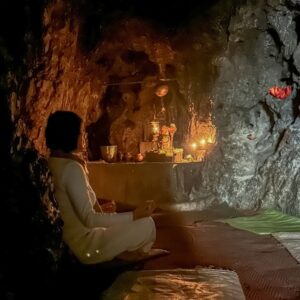
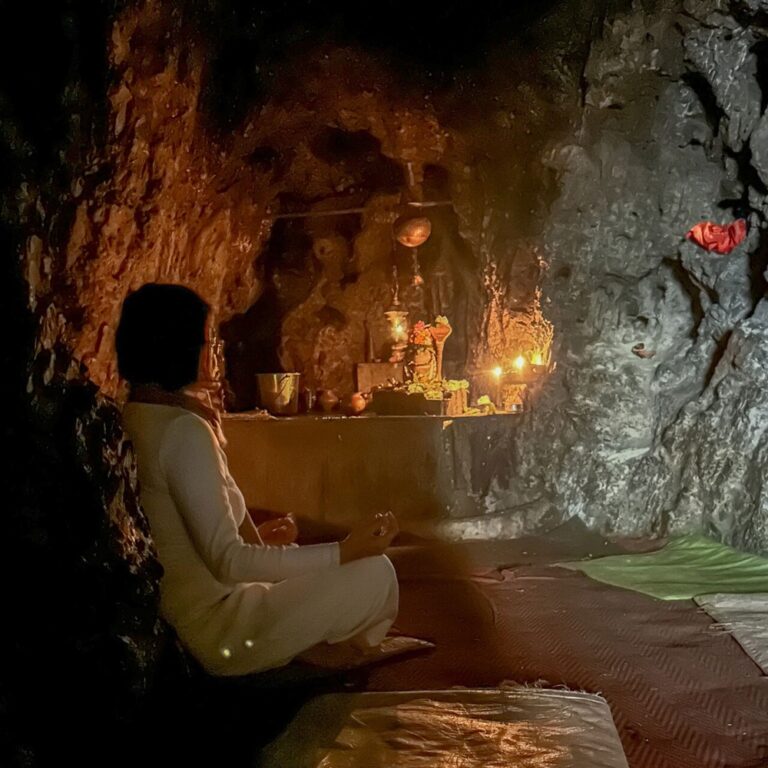
If you are a traveler, spiritual seeker, or simply someone who loves exploring hidden Himalayan gems, visiting the Mahavatar Babaji Cave in Uttarakhand is an unforgettable experience. Tucked away in the peaceful hills of Dunagiri near Dwarahat, this cave is believed to be the sacred spot where Mahavatar Babaji initiated Lahiri Mahasaya into Kriya Yoga — marking a pivotal moment in modern yogic history.
This comprehensive travel guide covers everything you need to know, including how to reach Mahavatar Babaji Cave from Delhi, trekking details, travel tips, nearby attractions, best time to visit, and distance guides from major towns like Ranikhet, Nainital, and Rishikesh.
⭐ Why Visit Mahavatar Babaji’s Cave?
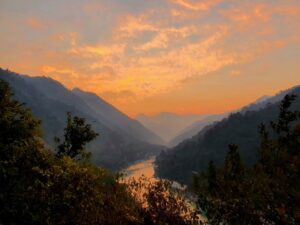
The cave offers a rare blend of natural beauty, spiritual stillness, and Himalayan serenity. Surrounded by towering pine forests, small villages, and uninterrupted mountain silence, it is the perfect place for meditation and inner reflection.
Travelers from around the world visit this site because:
-
It is associated with the immortal yogi Mahavatar Babaji.
-
It is a major pilgrimage site for Kriya Yogis and Paramahansa Yogananda followers.
-
The trek is scenic, peaceful, and ideal for adventure lovers.
-
The region around Dwarahat and Dunagiri is untouched, authentic, and culturally rich.

📍 Where Is Sri Mahavatar Babaji Cave Located?
The Sri Mahavatar Babaji Cave is located near Dunagiri Village in the Dwarahat Range of Uttarakhand. This region is part of the Kumaon Himalayas and lies between Ranikhet, Dwarahat, and Almora.
During your trip, you may often hear other names such as:
-
Mahavatar Babaji’s Cave Dwarahat Range Uttarakhand
-
Mahavatar Babaji Cave Ranikhet
-
Ranikhet Babaji Cave
All of these refer to the same sacred location.
The exact Mahavatar Babaji Cave address (approximate) is:
Dunagiri Hill, Near Kukuchina Village, Dwarahat, Almora District, Uttarakhand, India.
🚗 How to Reach Mahavatar Babaji Cave from Delhi
Travelers have multiple route options:
1. Delhi → Kathgodam → Dwarahat → Babaji Cave
This is the most popular route.
-
Distance: ~420 km
-
Travel Time: 10–12 hours
-
Take a train or drive to Kathgodam, then a taxi to Dwarahat/Kukuchina.
-
From Kukuchina, trek 2.5–3 km uphill to the cave.
2. Delhi → Ranikhet → Kukuchina → Cave
For those planning to explore Ranikhet:
-
Ideal for incorporating the keyword Ranikhet to Mahavatar Babaji Cave
-
The road between the two is scenic and smooth.

🚆 Mahavatar Babaji Cave Nearest Railway Station
The closest railway station is:
➡️ Kathgodam Railway Station (Haldwani)
-
Distance to Kukuchina: ~140 km
-
Reasonably priced taxis & buses available
-
Trains from Delhi, Dehradun, Lucknow & Kolkata
If you are traveling by train, this is the most convenient and time-efficient option.

✨ Distances From Major Destinations
Travelers often compare distances to plan a perfect Uttarakhand itinerary.
Rishikesh to Babaji Cave Distance
Approx. 280 km, taking 7–9 hours by road.
Route: Rishikesh → Devprayag → Srinagar → Rudraprayag → Karnaprayag → Dwarahat → Kukuchina
Nainital to Mahavatar Babaji Cave
Approx. 115 km, taking around 4–5 hours.
This is one of the quickest and most scenic routes.
Ranikhet to Mahavatar Babaji Cave
Approx. 50-55km, around 1.5–2 hours.
Perfect day-trip option for travelers staying in Ranikhet.
🥾 The Trek to Mahavatar Babaji Cave
After reaching Kukuchina, the final stretch is a beautiful Himalayan forest trek.
-
Trek Distance: 2- 2.5 km
-
Duration: 45–60 minutes
-
Difficulty: Easy–Moderate
-
Path Features: Pine forests, birdsong, mountain views, peaceful surroundings
At the top, you’ll find:
-
Babaji’s Cave
-
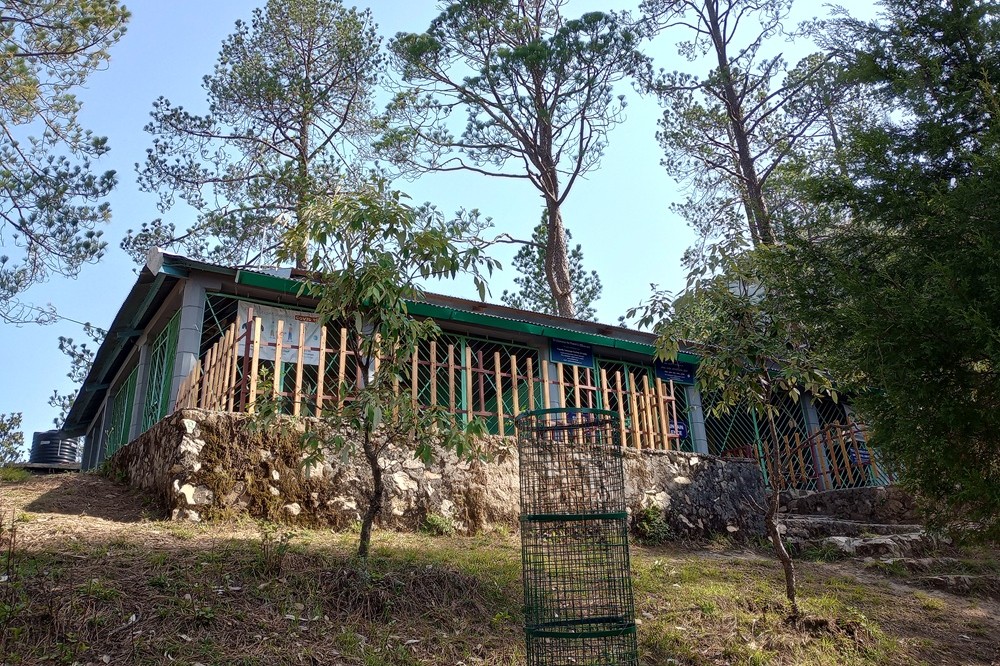
A small ashram (YSS)
-
A meditation hut
-
Viewpoints overlooking Dunagiri mountains
The energy here is still, soothing, and deeply meditative.

🏨 Where to Stay Near Mahavatar Babaji Cave
For comfort + proximity:
1. Dunagiri Retreat
Eco-friendly, peaceful mountain retreat.
2. YSS Dwarahat Ashram
Offers spiritual stays if you book in advance.
3. Hotels in Dwarahat or Ranikhet
Budget and mid-range options available.
🌤 Best Time to Visit
-
March–June: Pleasant weather, ideal for trekking
-
September–November: Clear skies & great visibility
-
Avoid: Peak monsoon (landslides) and peak winter (snow on trails)
🧭 Travel Tips for Visiting Babaji’s Cave
-
Start your trek early morning.
-
Carry water, energy snacks & warm clothing.
-
Wear good trekking shoes.
-
Respect the silence around the ashram area.
-
Drones & loud activities are not allowed.
-
There are no shops on the trail — be self-sufficient.
🙏 Significance of Mahavatar Babaji
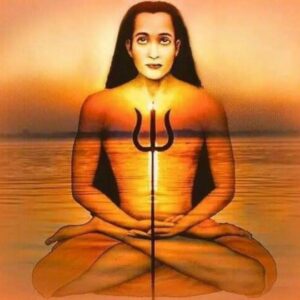
Mahavatar Babaji is considered an immortal Himalayan yogi, a master of Kriya Yoga, and the guiding force behind the teachings shared by Lahiri Mahasaya, Sri Yukteswar, and Paramahansa Yogananda.
Followers believe he continues to guide sincere seekers from higher realms of consciousness.
❓ Frequently Asked Questions (FAQ)
1. Is Mahavatar Babaji still alive?
According to spiritual traditions and texts like Autobiography of a Yogi, Mahavatar Babaji is believed to be an immortal yogi who can manifest in physical form as needed. His existence is considered beyond normal human aging.
2. Where is Mahavatar Babaji now?
It is believed that Babaji resides in the higher Himalayan realms, appearing only to spiritually advanced seekers. His presence is felt at places like Dunagiri, the Sri Mahavatar Babaji Cave, and sacred sites connected to Kriya Yoga.
3. Who is Mahavatar Babaji?
Mahavatar Babaji is a revered Himalayan master credited with reviving Kriya Yoga in the modern age. He initiated Lahiri Mahasaya, whose teachings eventually spread worldwide through Paramahansa Yogananda.
Babaji is considered a divine incarnation, an eternal yogi who guides humanity through spiritual evolution.
🧭 Final Thoughts
A visit to the Mahavatar Babaji Cave in Uttarakhand is not just a trip — it’s a spiritual and transformative experience. Whether you are coming from Delhi, Rishikesh, Ranikhet, or Nainital, the journey is filled with natural beauty, peaceful landscapes, and a deep sense of inner calm.
If you’re planning a Himalayan itinerary, this sacred cave is a must-visit destination for meditation lovers, yogis, trekkers, and seekers from around the world.